Almost anything is possible if you are willing to spend enough. That is why possible is the least useful question to start an addition with, and why we spend the first conversation separating it from the two that matter.
Feasible asks what the house and the lot will actually allow. Where the load-bearing walls run, whether the foundation can take a second storey, how the new roof will meet the old one, what the setbacks leave you. Practical asks whether the result is worth what it costs, and whether it will still look right in ten years.
Making it look original
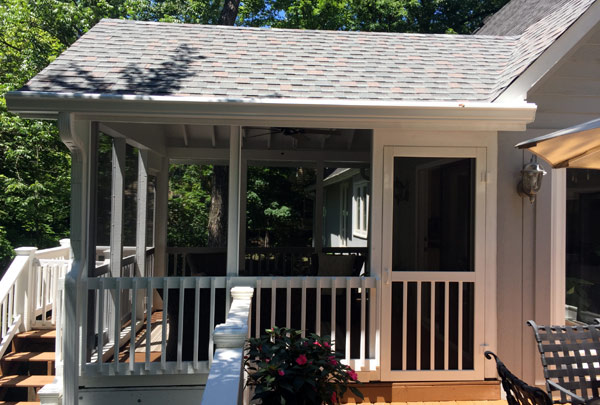
The measure of a good addition is that a visitor cannot tell it is one. That comes down to matching roof pitch, siding lines, window proportion and trim profiles to the existing house. Get those wrong and no amount of interior finish will rescue it. Get them right and the house simply looks as though it was always that size.
Common shapes
The projects we are asked for most are full second storeys, all-seasons rooms, screened porches, home offices and family room extensions. Each has its own constraints. An all-seasons room, for instance, is only worth building if it is insulated and heated to the standard of the rest of the house, otherwise you have built a conservatory you will not use for five months of the year.
If you are weighing one up, the useful first step is having someone walk the site with you who will tell you which of your ideas is worth pricing.